chargezone residential ev charging expansion strategy 2026
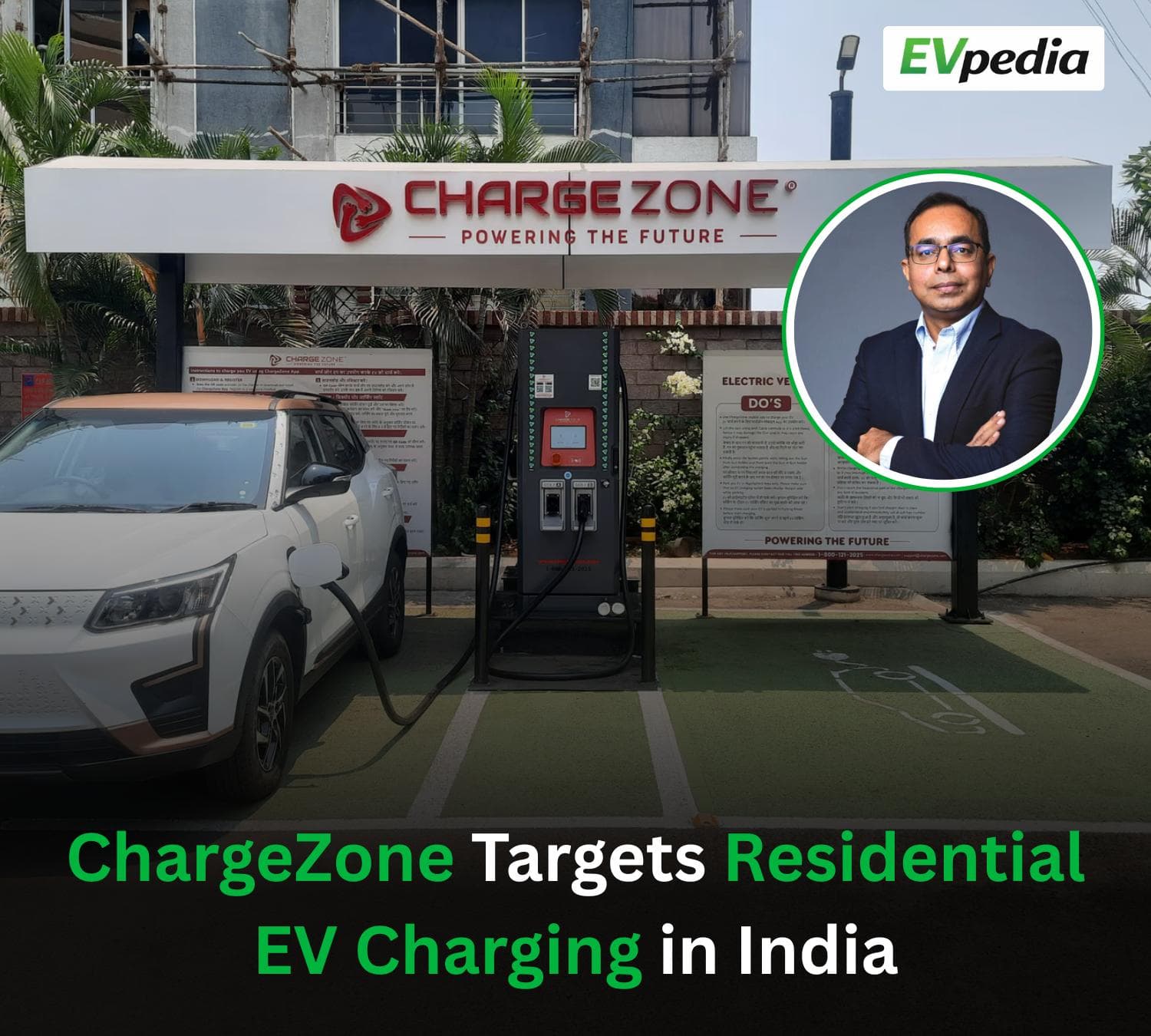
ChargeZone Pivots to Residential Infrastructure: Bridging the "Home Charging Gap" for Indian EV OwnersWhile the first wave of India’s EV infrastructure was defined by highway fast-chargers, the second wave is hitting much closer to home. ChargeZone, a pioneer in high-speed intercity charging, has announced a strategic shift to target residential societies and integrated townships. The move addresses a critical bottleneck: while most EV owners prefer to charge overnight, thousands of apartment residents currently lack access to dedicated charging points. The Urban Residential ChallengeFor millions of Indians living in multi-story apartments, switching to an electric vehicle remains a logistical nightmare. Issues ranging from inadequate transformer capacity to "Right to Charge" disputes with Residents Welfare Associations (RWAs) have stifled urban EV growth.ChargeZone’s residential push aims to standardize this experience. By partnering with real estate giants in metros like Gurugram, Bengaluru, and Pune, the company is ensuring that EV charging is treated as a core utility—much like water or electricity—rather than an optional luxury.ChargeCloud: The Operating System for SocietiesThe heart of ChargeZone’s residential strategy is ChargeCloud, its proprietary software-as-a-service (SaaS) platform. For a housing society, managing multiple EV users can be an administrative burden. ChargeCloud automates the entire process: Individual Billing: Residents pay for exactly what they use via the ChargeZone app, eliminating disputes over common-area electricity bills.Load Management: The system intelligently distributes power to multiple cars, ensuring that the society’s main transformer isn't tripped during peak hours.Uptime Monitoring: Real-time diagnostics allow ChargeZone to fix software glitches remotely, often before the resident even realizes there is an issue. A Safer Approach to Basement ChargingFollowing recent safety concerns regarding EV fires in enclosed spaces, ChargeZone is emphasizing its "Safety-First" architecture. Their residential units are equipped with advanced circuit protection and integrated with fire-suppression-ready hardware. By working closely with local fire departments to secure necessary NOCs (No Objection Certificates), ChargeZone is helping developers navigate the complex regulatory landscape of basement EV installations. The DOCO Model for CommunitiesTo scale rapidly, ChargeZone is utilizing its Dealer-Owned, Company-Operated (DOCO) franchise model. Under this arrangement, a developer or an RWA can fund the hardware and installation, while ChargeZone manages the operational lifecycle—from payment processing to 24/7 customer support. This "Asset-Light" approach allows residential communities to deploy high-quality infrastructure without needing in-house technical expertise. Strategic Importance of the "Slow" Charge"While our highway network is built for speed, our residential network is built for life," says Kartikey Hariyani, Founder & CEO of ChargeZone. Residential charging typically uses Type 2 AC chargers (7.4kW to 22kW), which are gentler on battery health compared to high-output DC superchargers. By encouraging overnight slow-charging, ChargeZone is helping extend the lifespan of EV batteries across India’s growing fleet.The Path to 1 Million PointsWith a long-term goal of reaching one million charging points, the residential sector is the most vital piece of ChargeZone’s puzzle. As state governments—like Haryana—move to mandate EV-ready parking in new building codes, ChargeZone is positioning itself as the preferred technology partner for the "Green Real Estate" era.