drivn raises 140 million electric bus truck leasing india
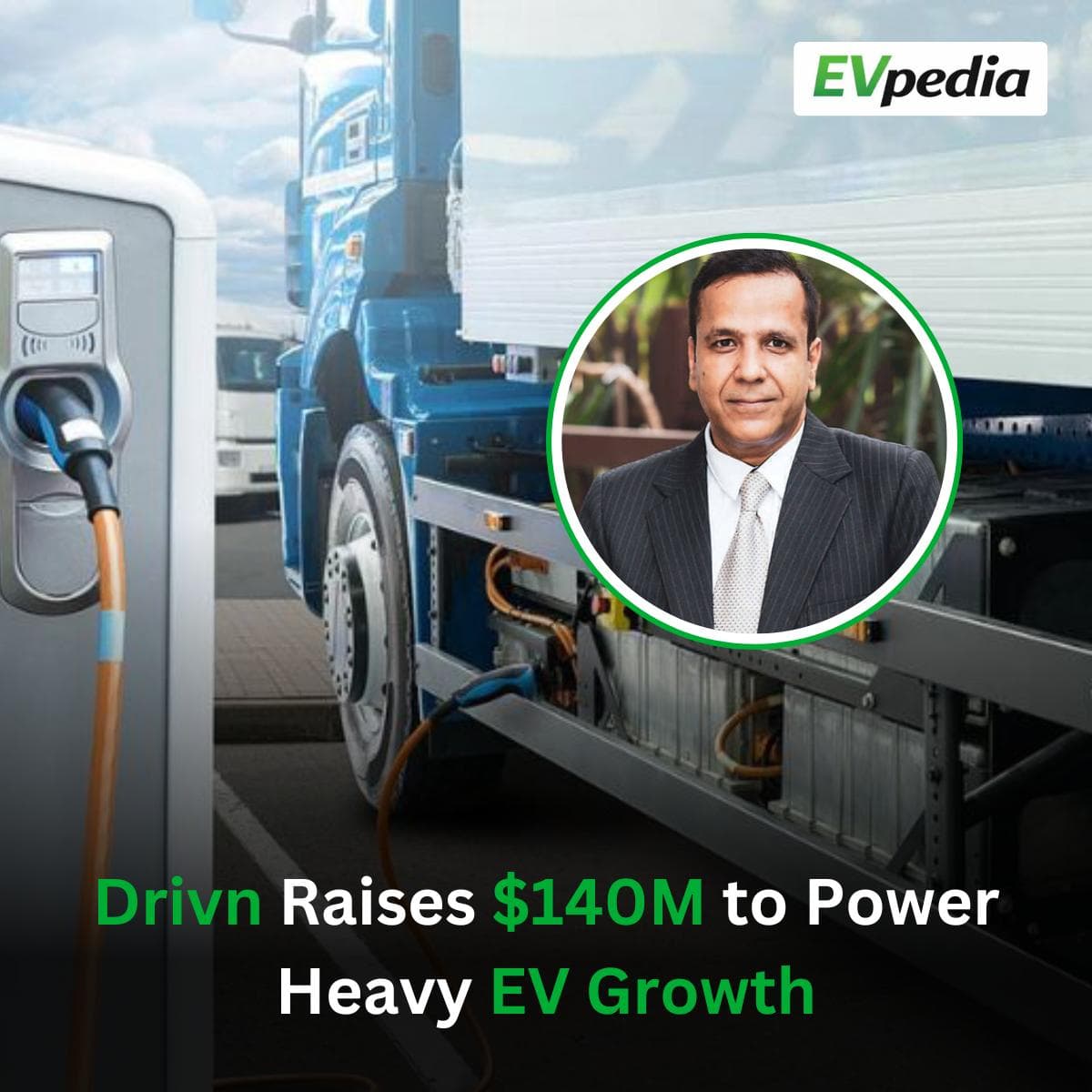
The electrification of India’s transport sector is moving beyond scooters and cars into the heavyweight category. Drivn, a Gurugram-based commercial electric mobility platform, has announced a massive $140 million (approx. ₹1,170 crore) funding round to accelerate the adoption of electric buses and trucks across the country. The investment, which includes a significant $80 million commitment from Japan’s Nomura, is a mix of equity and debt designed to fuel the company's "asset-heavy" leasing model. Solving the Upfront Cost Paradox The primary barrier to adopting heavy electric vehicles (HEVs) in India is the staggering initial investment. A standard 12-meter electric bus currently costs between ₹1.5 crore and ₹2.2 crore—roughly 2 to 2.5 times the cost of a traditional diesel equivalent. For most fleet operators, this capital intensity makes the transition impossible without external support. Drivn’s model circumvents this by acting as an independent aggregator. The company purchases high-capacity electric buses and trucks from multiple OEMs—including Tata Motors, Ashok Leyland, and Volvo-Eicher—and leases them to private operators under long-term, per-kilometer agreements. The Economics of "Electric vs. Diesel" Drivn’s business case is built on the superior Total Cost of Ownership (TCO) of electric powertrains. According to company data: Diesel Operating Costs: Approx. ₹50 per kilometer. Electric Operating Costs: Approx. ₹35 per kilometer. Annual Impact: This ₹15/km delta can result in savings of up to ₹30 lakh per vehicle annually, depending on utilization. By capturing these operational savings, Drivn creates a win-win scenario where operators get a cleaner fleet with lower daily expenses, while Drivn manages the long-term asset risk. Building an "Infrastructure Backbone" Unlike passenger EVs that rely on public charging, heavy-duty trucks and buses require high-output, reliable power. Drivn is tackling this by building its own dedicated charging infrastructure. By focusing on specific freight corridors and depot-based charging, they ensure near-100% uptime, which is critical for logistics companies operating on tight margins. Strategic Leadership and Future Goals Founded by Manav Bansal and Alpna Jain (formerly of NITI Aayog), Drivn is led by a team with deep roots in both finance and policy. The founders believe they have a "strategic window" of 5–7 years to establish dominance before traditional commercial banks become comfortable enough to offer direct financing for heavy EVs. With this new capital, Drivn is on track to build a vehicle asset base exceeding ₹1,200 crore. The company aims to reach ₹1,340 crore in Assets Under Management (AUM) by FY27, positioning itself as the premier independent partner for India’s logistics and inter-city transport transition. As India targets 30% EV penetration by 2030, platforms like Drivn are proving that the transition isn't just about better batteries—it’s about smarter financing.